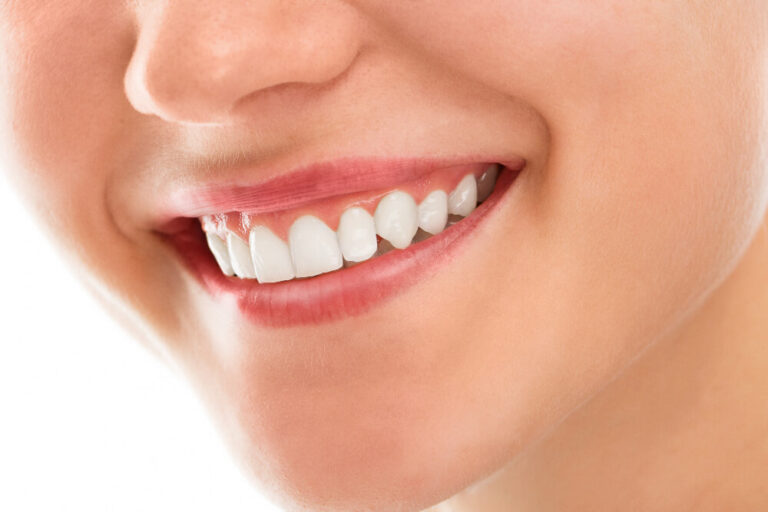
Maintaining optimal oral health goes beyond regular brushing and flossing. Your diet plays a crucial role in the health of your teeth and gums. The foods you choose can either strengthen your teeth and prevent decay or contribute to cavities and gum disease. In this blog post, we’ll explore the best foods to eat for a healthy mouth and the foods you should avoid to protect your oral health.
Foods to Eat for Optimal Oral Health
- Dairy Products
- Examples: Milk, cheese, yogurt
- Benefits: Dairy products are rich in calcium and phosphates, which help to strengthen tooth enamel and bones. They also stimulate saliva production, which helps to wash away food particles and bacteria.
- Leafy Greens
- Examples: Spinach, kale, broccoli
- Benefits: Leafy greens are high in calcium, folic acid, and vitamins that promote oral health. They help to strengthen teeth and gums while also providing essential nutrients for overall health.
- Crunchy Fruits and Vegetables
- Examples: Apples, carrots, celery
- Benefits: Crunchy fruits and vegetables are natural teeth cleaners. Their fibrous texture stimulates the gums and increases saliva flow, which helps to clean the teeth and reduce plaque buildup.
- Nuts and Seeds
- Examples: Almonds, walnuts, chia seeds
- Benefits: Nuts and seeds are packed with essential nutrients, including calcium and phosphorus, which strengthen teeth. They also require a lot of chewing, which stimulates saliva production.
- Lean Proteins
- Examples: Chicken, turkey, fish, eggs
- Benefits: Lean proteins are rich in phosphorus, which is essential for maintaining strong teeth and bones. Fish like salmon also provide omega-3 fatty acids, which can reduce inflammation and promote healthy gums.
- Water
- Benefits: Water is essential for overall health and is the best beverage for maintaining oral hygiene. It helps to rinse away food particles and bacteria, keeping your mouth clean and reducing the risk of cavities and gum disease.
Foods to Avoid for Optimal Oral Health
- Sugary Snacks and Drinks
- Examples: Candy, soda, pastries
- Risks: Sugary foods and drinks feed harmful bacteria in your mouth, leading to the production of acids that can erode tooth enamel and cause cavities. Frequent consumption of sugary snacks can significantly increase your risk of tooth decay.
- Acidic Foods and Drinks
- Examples: Citrus fruits, tomatoes, wine
- Risks: Acidic foods and drinks can erode tooth enamel over time, making your teeth more susceptible to decay. While citrus fruits provide essential nutrients, it’s important to consume them in moderation and rinse your mouth with water afterward.
- Sticky and Chewy Foods
- Examples: Caramel, gummies, dried fruits
- Risks: Sticky and chewy foods can get stuck in the crevices of your teeth, making it difficult for saliva to wash them away. This prolonged exposure to sugar increases the risk of cavities.
- Starchy Foods
- Examples: Potato chips, white bread, pasta
- Risks: Starchy foods can break down into sugars in your mouth, feeding bacteria and increasing the production of cavity-causing acids. They can also get stuck between teeth, promoting plaque buildup.
- Alcohol
- Risks: Alcohol can dry out your mouth, reducing saliva production and making it easier for bacteria to thrive. This can lead to an increased risk of tooth decay and gum disease. Additionally, many alcoholic beverages contain sugars that can harm your teeth.
Conclusion
Choosing the right foods can have a significant impact on your oral health. Incorporate more calcium-rich dairy products, leafy greens, crunchy fruits and vegetables, nuts, seeds, and lean proteins into your diet to strengthen your teeth and gums. At the same time, try to limit your intake of sugary, acidic, sticky, starchy foods, and alcohol to protect your oral health. If you have any questions about your diet and how it affects your teeth, contact us at Dental in USA. We’re here to help you maintain a healthy, beautiful smile through comprehensive dental care and advice.